Living In Houston’s East End: Everyday Life And Vibe
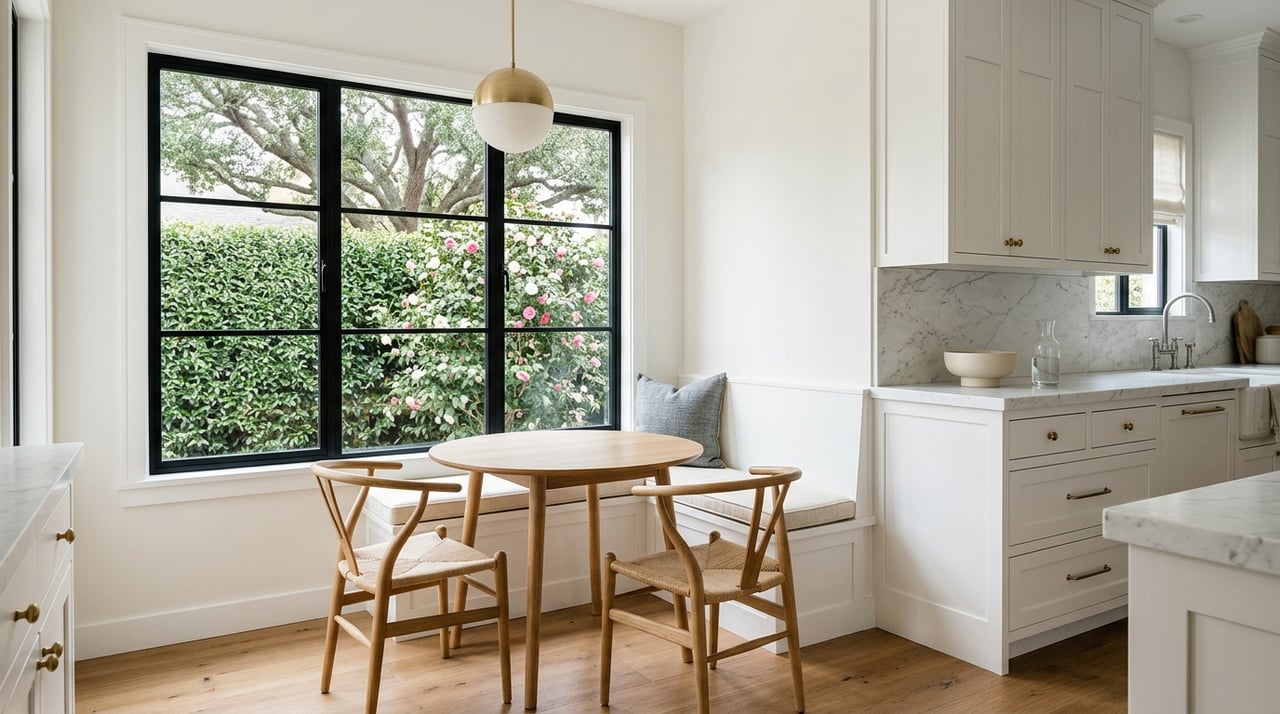
If you want an in-city Houston neighborhood with history, everyday convenience, and a strong local identity, Houston’s East End deserves a closer look. Life in 77023 feels connected and active, but it also has a lived-in character that makes the area feel distinct from newer master-planned communities. Whether you are thinking about moving, renting, or buying, this guide will help you understand what daily life and the overall vibe are really like. Let’s dive in.
Houston’s 77023 ZIP covers about 5.5 square miles and had 24,281 residents in the ACS 2024 5-year data. That works out to roughly 4,441 people per square mile, which helps explain why the area feels compact, urban, and close to the action.
The median age here is 37, and the average household size is 2.3 people. With a median household income of $51,430 and a median owner-occupied home value of $302,300, 77023 comes across as a mixed, block-by-block market rather than a one-note neighborhood.
That mix shapes everyday life. You are not stepping into a uniform area where every street feels the same. Instead, you get a neighborhood experience that shifts from historic residential pockets to busier commercial corridors, with a blend of older homes, apartments, townhomes, condos, and newer infill.
The East End is not just one place with one look. It includes historic subareas such as Second Ward, Eastwood, Magnolia Park, Idylwood, Lawndale/Wayside, East Lawndale, Harrisburg Manchester, Pecan Park, and Denver Harbor/Port Houston.
That layered geography is a big part of the area’s personality. Local history sources describe Second Ward as having a long-standing Hispanic identity, while Magnolia Park played an important role in Houston’s Mexican settlement history. Eastwood adds another visual layer with early 20th-century homes influenced by Craftsman, Arts and Crafts, Foursquare, and Mission styles.
All of that gives the East End a sense of continuity. It feels established, textured, and rooted in Houston history rather than built all at once.
One of the biggest lifestyle advantages in the East End is connectivity. The district describes itself as Houston’s most connected region, with more miles of rail, trails, and bus routes than any other area of the city.
For many residents, that shows up in daily routines. METRO’s Green Line runs along Harrisburg Boulevard and connects downtown Houston with the historic East End, while the Purple Line links downtown with Texas Southern University and the University of Houston. If you want options beyond driving everywhere, that connected feel is a real part of the neighborhood experience.
Even if you mostly commute by car, the numbers suggest the pace is manageable for in-city living. In 77023, the mean travel time to work is 25.6 minutes, which supports the idea of a neighborhood with practical access to jobs, destinations, and central Houston amenities.
When people ask what the East End feels like on foot, Navigation Boulevard usually enters the conversation quickly. It functions as a civic spine for the area, and the district describes the Navigation Esplanade as a walkable, shaded corridor.
That matters because walkability here is often about specific pockets and corridors, not the entire ZIP moving at the same pace. Around Navigation, Harrisburg, and the bayou edge, you can see how daily errands, coffee stops, local events, and public spaces come together in a way that feels active and neighborhood-driven.
The East End Farmers Market also adds to that rhythm. It takes place every Sunday from 10 a.m. to 2 p.m. on the Navigation Esplanade in front of the original Ninfa’s, which gives residents a recurring weekend anchor right in the neighborhood.
In the East End, the food scene is not just a bonus. It is part of how the neighborhood expresses itself.
Bohemeo’s in 77023 mixes coffee, espresso drinks, desserts, light bites, free Wi-Fi, and live music, which makes it the kind of place that can fit into more than one part of your day. It works for a coffee run, a casual meetup, or a laid-back work session.
The wider East End also includes long-known local names like Villa Arcos, Brothers Taco House, and Original Ninfa’s on Navigation. Together, these spots give the area an everyday dining culture that feels local and familiar rather than overly polished or trend-driven.
If you enjoy neighborhoods where restaurants and coffee shops feel woven into the identity of the area, that is one of the clearest East End strengths. The vibe is social, casual, and rooted in places people return to again and again.
Outdoor life in the East End is less about one giant park and more about a connected system of green spaces. The Brays Bayou Greenway includes more than 30 miles of public greenspace and hike-and-bike trails, reaching places such as Hermann Park, MacGregor Park, Gus Wortham Golf Course, and Mason Park.
For local residents, that creates a practical outdoor network. Instead of feeling cut off from recreation, you have access to trails and green space that tie into the broader city.
Mason Park is one of the area’s signature outdoor destinations. According to the East End District, its 104 acres include a 1.4-mile trail, baseball and softball fields, six lighted tennis courts, a pool, disc golf, and a community center.
Guadalupe Plaza Park adds another layer to the outdoor experience. It reopened with a splash pad, shade, benches, bike racks, wayfinding maps, and a direct connection to Buffalo Bayou, which supports a more urban, connected kind of recreation.
The East End’s creative side is visible in everyday life. The East End Houston Cultural District says the area has one of Houston’s largest collections of outdoor murals and more than 30 arts and culture institutions, including studios, showrooms, and fabrication shops.
That matters because the arts here do not feel tucked away behind one museum door. The Navigation corridor and the Calle de Colores mural cluster are central to the district’s identity, so visual art becomes part of your regular movement through the neighborhood.
Talento Bilingüe de Houston also helps shape that experience. Located beside Guadalupe Plaza Park and Buffalo Bayou and less than a mile from downtown, it reflects how culture, public space, and city access come together in this part of Houston.
If you are exploring 77023 as a buyer or renter, one of the first things you will notice is variety. Planning documents and district history describe a mix that includes wood-frame bungalows, historic cottages, apartments, townhomes, condos, and newer townhome and luxury apartment infill.
That means the East End does not present a single housing story. On one block, you may see older homes with historic character. On another, you may see more recent construction or multifamily options.
This is helpful if you want choices. Some buyers are drawn to the character of older homes, while others prefer a lower-maintenance townhome or apartment lifestyle. In 77023, that range is part of the appeal.
A common question is how much of the East End feels historic versus new. Based on the sources, the answer is both, depending on where you look.
Established neighborhood corridors and older residential sections often carry the historic side of the area. You can see that in Eastwood’s early 20th-century architecture and in the long-standing identity of places like Second Ward and Magnolia Park.
At the same time, newer townhomes and apartment infill are part of the current housing picture. That combination gives the neighborhood a layered feel instead of a fully preserved historic district or a full reset of new development.
The East End can appeal to people who want in-city access without giving up neighborhood character. If you like being near downtown, having rail and trail connections, and living in a place with visible history, art, and local businesses, 77023 checks a lot of boxes.
It can also work well if you value variety. The housing stock is mixed, the outdoor options are spread across trails and parks, and the daily experience changes depending on which pocket of the neighborhood you are in.
Most of all, the vibe feels grounded. The East End is not trying to be generic. Its appeal comes from being connected, culturally expressive, and shaped by long-standing neighborhood identity.
If you are considering a move to 77023, it helps to tour the area with a hyperlocal lens. The feel can shift meaningfully from one corridor to the next, and understanding those nuances can make your search much more focused.
If you want help comparing homes, rentals, or investment opportunities in Houston’s East End and nearby in-city neighborhoods, Kenneth Zarella can help you make sense of the options with clear, local guidance.

We pride ourselves in providing personalized solutions that bring our clients closer to their dream properties and enhance their long-term wealth.