Car-Lite Living In Montrose And Midtown
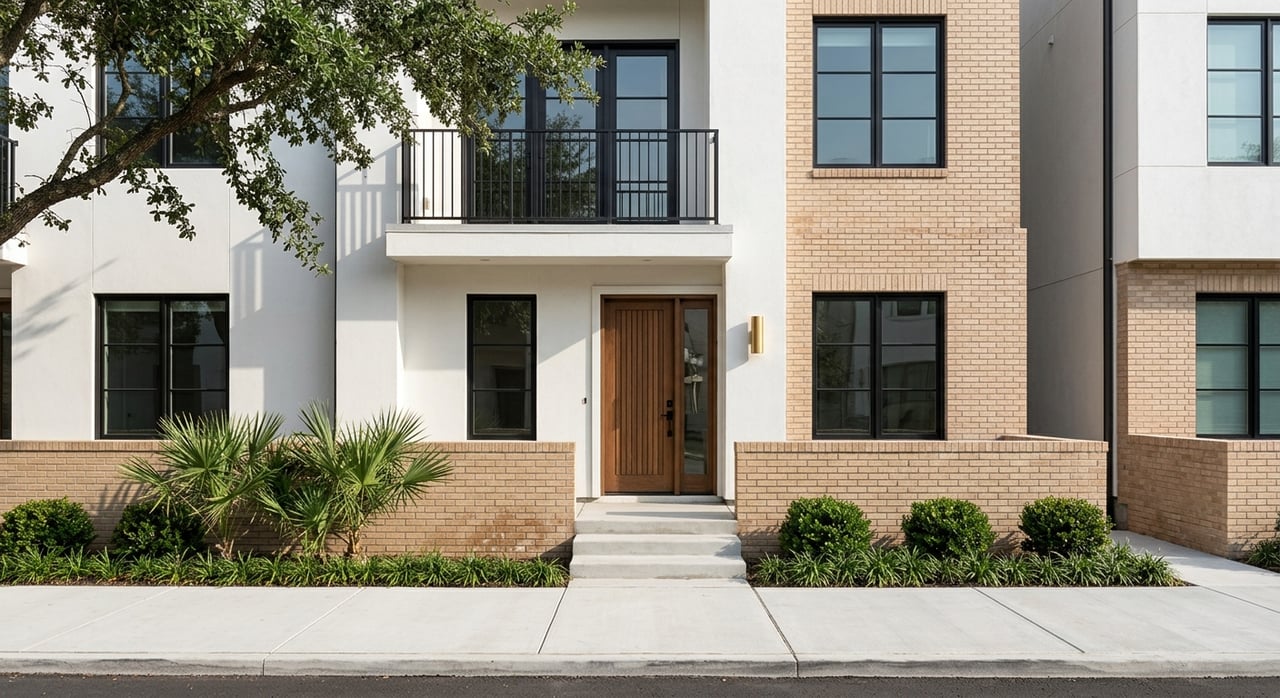
Thinking about cutting back to one car, or maybe relying less on your car in Houston at all? If Montrose or Midtown is on your list, that goal is more realistic here than in many other parts of the city. These two in-city neighborhoods offer different versions of convenience, and understanding that difference can help you choose the right fit for your daily routine. Let’s dive in.
Montrose and Midtown are both inner-loop neighborhoods with the kind of layout and amenities that make reduced-car living possible. According to the City of Houston, Neartown / Montrose includes historic districts, cultural institutions, parks, service organizations, a university presence, and a wide mix of homes, condos, and apartments. Midtown combines older homes and small apartment buildings with newer apartment and townhome development.
That shared in-city setting matters. When more of your errands, dining, recreation, and commuting options are closer together, you can drive less often, even if you still keep a car for some trips. In both neighborhoods, the realistic goal is usually car-lite, not fully car-free.
Midtown has the strongest case for a reduced-car lifestyle built around transit. The City of Houston selected Midtown as one of its Walkable Places pilot areas, noting its grid layout, compact 300- to 500-foot blocks, sidewalks, bikeways, bus routes, BCycle stations, rental-car stations, and light rail access. That combination supports walking for short trips and connecting to transit for longer ones.
METRO’s Red Line is a major advantage here. On weekdays, trains run every 6 minutes for most operating hours, and every 12 minutes on weekends. Midtown-area stations include Ensemble/HCC, McGowen, Wheeler, and Museum District, giving many residents a practical rail option for daily travel.
If you want a neighborhood where transit is part of the core layout, Midtown stands out. The best fit is often a home close to the rail line and within easy reach of the neighborhood’s bus-and-sidewalk grid. In real life, a few blocks can make a big difference in how often you choose to walk instead of drive.
Montrose supports car-lite living in a different way. It is less rail-centered than Midtown, but it offers strong corridor access, a broad mix of destinations, and good bus connectivity. That makes it appealing if you want a neighborhood where daily life feels close together, even if your routine is not built around a rail stop.
METRO Route 82 Westheimer is one of the key transit links in the area. It runs every 8 minutes on weekdays and every 10 minutes on weekends for most operating hours, and lists Montrose among its popular destinations. METRO Route 56 Airline / Montrose also serves the area, with stops including Montrose Boulevard at West Alabama, Westheimer, and Allen Parkway.
Montrose also has a long-standing neighborhood pattern that supports local movement. The City of Houston notes that the area includes destinations such as the Menil Collection, Rothko Chapel, Art League Houston, Legacy Community Health, the Montrose Center, the University of St. Thomas, multiple parks, and a wide range of eateries and artistic businesses. That mix can make it easier to combine walking, biking, and transit in your day-to-day routine.
The biggest question is not whether Montrose or Midtown is walkable in theory. It is whether your specific block works for your real routine. That includes groceries, coffee, dining, transit access, green space, and how far you are willing to walk in Houston weather.
Midtown has the more formal walkability framework. The city highlights its compact block pattern and location between downtown and the medical center, with a mix of uses that support walking between errands, parks, work, and entertainment. If your schedule revolves around commuting and quick access to rail, Midtown often feels more straightforward.
Montrose feels more organic. Its historic development pattern, major corridors, and cultural destinations create a neighborhood where many daily needs and leisure activities are relatively close together. The area’s streetcar history, dating back to 1912, helps explain why parts of Montrose still feel more pre-auto than many Houston neighborhoods.
Bike-share helps fill the gaps when a destination is a little too far to walk but not worth driving. The City of Houston says Houston BCycle has more than 100 stations and 700 bikes across central Houston neighborhoods, including both Montrose and Midtown. That gives residents another flexible option for short local trips.
The city specifically identifies Lost Lake in Montrose and Baldwin Park and HCC Central in Midtown as part of the BCycle network. For many residents, that kind of access is what makes car-lite living workable instead of frustrating. You may still use a car, but not for every small errand or meetup.
Your housing choice can play a big role in how easy it is to live with fewer car trips. Midtown is more apartment-forward, while Montrose offers a wider mix of housing types. That difference can influence everything from maintenance needs to how close you are to transit and neighborhood amenities.
In Midtown, 75.7% of housing units are in buildings with 10 or more units. The neighborhood had 8,911 housing units in the City of Houston’s 2023 tables, with 90.5% occupied, 22.3% owner occupied, and 77.7% renter occupied. If you are looking for a more consistently urban setup, Midtown often delivers that pattern.
Montrose is more varied. The city’s 2023 tables show 22,372 housing units, with 86.6% occupied, 39.5% owner occupied, and 60.5% renter occupied. Its housing mix includes detached homes, attached homes, duplexes and fourplexes, smaller multifamily properties, and larger apartment buildings, with 44.7% of units in 10+ unit buildings, 24.7% detached, and 14.5% attached.
That variety gives Montrose a broader set of options for buyers and renters. You might find a condo near major corridors, an apartment close to neighborhood destinations, or a detached home that still keeps you connected to everyday conveniences. Midtown, by contrast, is often the simpler choice if you want a more apartment-centered lifestyle from the start.
The numbers support the idea that both neighborhoods are less car-dependent than Houston overall, but they also show why the most accurate term is still car-lite. In Montrose, commute data shows 63.4% drive alone, 2.4% public transit, 4.2% walking, and 22.1% working from home. In Midtown, the figures are 64.7% drive alone, 6.9% public transit, 3.6% walking, and 20.0% working from home.
Those figures are not identical, but they tell a clear story. Midtown has the stronger transit share, which matches its rail access and walkability planning. Montrose still supports reduced-car living, but more often through a mix of bus service, biking, nearby destinations, and shorter drives.
For broader context, Houston’s mean travel time to work is 27.3 minutes. That helps explain why inner-loop neighborhoods can feel more practical, even for people who still keep a car for some trips. Living closer to where you work, shop, and spend your time can reduce how often you need to get behind the wheel.
If you are choosing between the two, the better neighborhood depends on how you want your week to work.
| Lifestyle priority | Midtown | Montrose |
|---|---|---|
| Rail access | Stronger | More limited |
| Bus access | Good | Strong |
| Bike-share support | Yes | Yes |
| Walkability framework | More formal and grid-based | More organic and corridor-based |
| Housing mix | More apartment-heavy | More varied |
| Best fit for | Rail-first routines | Bus, bike, and mixed-use routines |
Midtown is usually the better match if you want to structure your lifestyle around rail and a compact street grid. Montrose is often the better fit if you want housing variety and a neighborhood where culture, dining, parks, and corridor access support shorter trips.
In either neighborhood, success comes down to location within the neighborhood, not just the neighborhood name. A home near a useful transit stop, a major corridor, or your most frequent destinations will usually support a reduced-car lifestyle better than a home that is technically nearby but disconnected from your routine.
When you tour homes, think beyond the unit itself. Ask yourself how you would handle weekday commuting, groceries, coffee runs, medical appointments, and social plans. If most of those trips feel simple without driving every time, you are likely looking at a strong car-lite candidate.
These neighborhoods can appeal to several kinds of clients. Relocating buyers may appreciate the convenience of an in-city location with multiple transportation options. Renters and downsizers may prefer Midtown’s apartment-heavy profile, while buyers who want more housing variety may lean toward Montrose.
For investors, the neighborhood differences also matter. Montrose offers a broader housing story across detached homes, attached homes, condos, and multifamily properties, while Midtown presents a more consistent urban inventory profile. In both areas, understanding block-by-block convenience is just as important as understanding price point or property type.
If you are weighing a move to Montrose or Midtown, the right strategy is to match the property to your actual routine. That is where hyperlocal guidance can make a big difference. If you want help comparing homes, rentals, or investment opportunities in these neighborhoods, reach out to Kenneth Zarella for thoughtful, neighborhood-level advice.


We pride ourselves in providing personalized solutions that bring our clients closer to their dream properties and enhance their long-term wealth.