Downtown Houston High Rise Living Overview
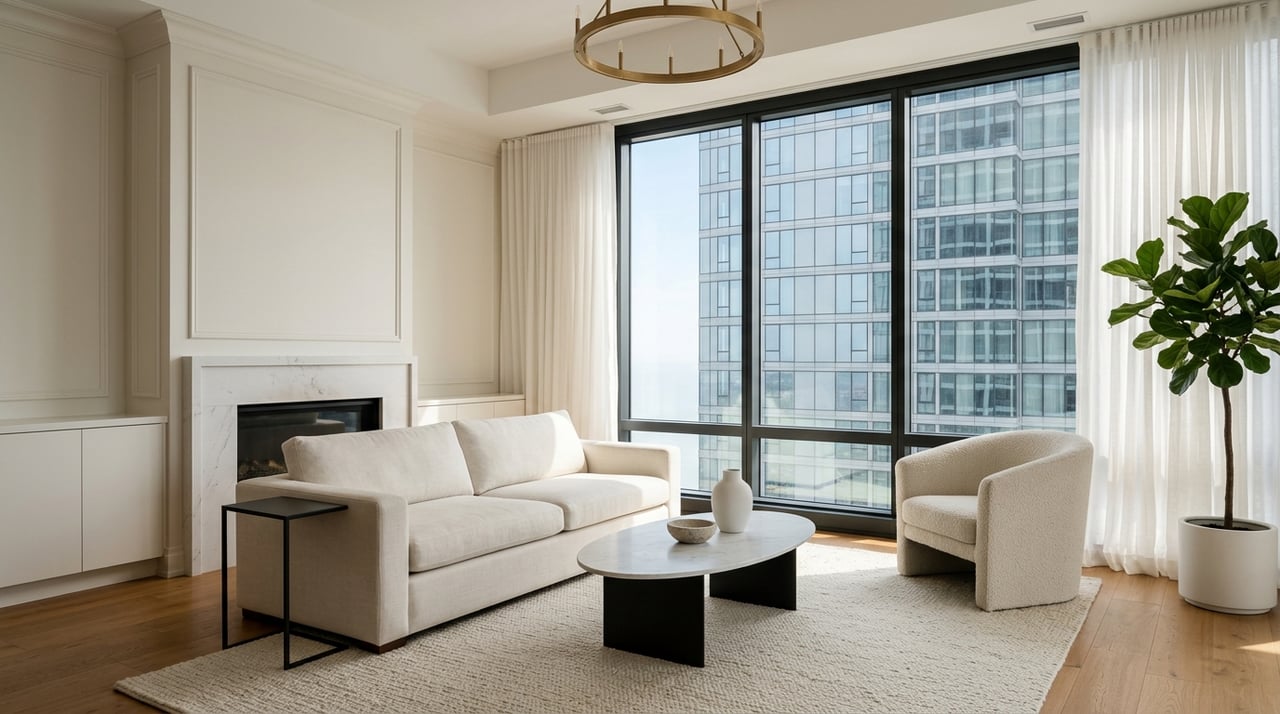
You do not have to choose between city energy and day-to-day convenience in Houston. If you want skyline views, quick access to work and events, and a home that asks less of your time, Downtown high-rise living can be a strong fit. The key is knowing how Downtown really works, what building types you will find, and which tradeoffs come with the lifestyle. Let’s dive in.
Downtown Houston is still the city’s central business district, but it has grown well beyond an office core. The Downtown District describes it as a live-work-play area, with arts, dining, sports, parks, and major employers all packed into the urban center. That mix gives you a lifestyle that feels active and connected without needing to travel far for everyday experiences.
Residential growth has become a major part of that story. According to Downtown Houston+’s 2025 State of Downtown, residential inventory had averaged about 500 new units a year for more than a decade and was expected to surpass 9,000 units. A Q3 2023 district inventory counted 43 residential properties and 7,354 units in operation, with another 1,090 units under construction.
That growth matters if you are comparing options. It means Downtown is not a one-building or one-style market. You can find lofts, condos, and newer rental towers, each with a very different feel depending on building age, layout, amenities, and management.
One of Downtown Houston’s biggest advantages is variety. Instead of a single housing type, you will see historic loft conversions, condo towers, and newer full-service rentals side by side. That gives you room to match your budget, space needs, and preferred lifestyle.
If you like character and less standardized layouts, historic loft buildings may stand out first. Bayou Lofts is a well-known example, created from the former Southern Pacific Railroad Building. It offers homes from about 700 to more than 2,000 square feet, along with a 24-hour doorman, rooftop terrace with pool, and reserved parking.
Commerce Towers offers another condo-style option in Downtown. The building is noted for 57 distinctive floor plans and upgraded finishes such as stone or wood floors, custom cabinetry, granite, and stainless steel appliances. For buyers who want ownership and a more established building feel, options like these can be appealing.
If your priority is convenience and extensive amenities, newer rental towers may fit better. One Park Place leans into a full-service experience with a 24-hour concierge, valet, room service courtesy of Four Seasons Hotel Houston, on-site dining, private grocery access, a resort-style pool, and a 24-hour fitness center.
Market Square Tower and 500 Crawford reflect another side of modern Downtown living. Market Square Tower offers studio, one-bedroom, and two-bedroom layouts with floor-to-ceiling windows, city views, and select 14-foot ceilings, plus amenities like an infinity deck, sky gym, theater, indoor basketball court, and concierge services. 500 Crawford offers one- and two-bedroom plans and pairs them with restaurants, a resident sports lounge, dog park, gym, and multiple pools.
For most people searching Downtown, the most common choices will be studios, one-bedrooms, and two-bedrooms. That is especially true in newer high-rise rentals, where open-concept layouts and large windows are a major part of the appeal. These homes often work well if you want a lower-maintenance setup and efficient use of space.
If you need more room, Downtown still gives you options. Larger lofts and penthouse-style homes exist, especially in buildings with more unique floor plan mixes. Bayou Lofts, for example, ranges well beyond the smaller typical urban layout.
That range is important if you are relocating, rightsizing, or testing city living before buying. A smaller rental may offer flexibility, while a condo or loft may give you more permanence and personality. The best fit often comes down to whether you value service, square footage, ownership, or architectural character most.
High-rise living in Downtown Houston often centers on convenience. Many buildings are designed to reduce the time you spend on home upkeep while adding services or shared spaces that support your routine. In practice, that can mean concierge desks, valet, fitness centers, pools, resident lounges, parking, and pet-focused features.
Some buildings go further with a hotel-style approach. One Park Place highlights services like concierge, valet, dining access, and grocery convenience. Other towers focus more on standout amenity spaces, such as observation-style views, sky-level fitness areas, sports lounges, or rooftop environments.
For many renters and buyers, this is the biggest shift from a detached home. You may trade a yard, garage workspace, or extra storage for a more streamlined lifestyle and a central location. If your schedule is busy and you want less home maintenance, that trade can make a lot of sense.
Views are a major part of Downtown’s high-rise appeal. Many buildings emphasize skyline outlooks, floor-to-ceiling windows, or perspectives over parks and sports venues. If your goal is an urban setting that feels visually dramatic, Downtown delivers more consistently than many other Houston neighborhoods.
Walkability is another big advantage, especially near the district’s main attractions. Visit Houston highlights Discovery Green, the 12-acre downtown park, as well as Market Square Park, Avenida Houston, the Theater District, Toyota Center, Minute Maid Park, and PNC Stadium. Living nearby can make concerts, games, dining, and events feel much easier to access.
The street experience is also evolving. The Main Street Promenade is designed as a pedestrian-first corridor with shade, patios, and connections to Buffalo Bayou and Allen’s Landing. Cool + Connected Corridors is adding more shade, trees, and pedestrian lighting along Texas Avenue and other downtown links.
Downtown also has the tunnel network, which connects 95 city blocks with weekday food, shops, and services. That can be a real convenience during the workday, but it is worth remembering that the tunnels close by 6 p.m. and on weekends. For that reason, Downtown often works best as a car-light lifestyle rather than a fully car-free one.
If you want a central launch point for getting around Houston, Downtown is hard to ignore. METRORail’s Red, Green, and Purple lines intersect downtown and connect to places like the Texas Medical Center, Museum District, Houston Zoo, NRG Stadium, University of Houston, and Texas Southern University. That creates real flexibility for people who want transit access built into their daily routine.
Downtown Houston+ also notes that Downtown has access to every major transportation mode, including both airports. Road access matters too, especially if you drive regularly, and one downtown tower specifically markets easy access to I-10, I-45, and I-69. In a city where commute patterns can shift fast, that centrality can be a practical advantage.
For Medical Center workers, the location can be especially attractive. Downtown Houston+ says the Texas Medical Center is within 15 minutes of Downtown. If you want an urban home base with a manageable connection to a major job center, Downtown can check that box.
Downtown is not the only inner-loop option, so it helps to understand what makes it distinct. In simple terms, Downtown leans more vertical, more event-driven, and more connected to offices, transit, and large public destinations. That creates a different feel from nearby neighborhoods, even when the drive between them is short.
Midtown sits between Downtown and the Texas Medical Center and is often described as active and residential with arts and culture mixed in. Compared with Downtown, Midtown tends to feel more residential and nightlife-oriented. If you want a high-rise environment tied closely to major employers, stadiums, and the business core, Downtown usually feels more urban and centralized.
EaDo and the East End, just east of Downtown, have a former warehouse and industrial identity that has shifted toward art, murals, live venues, breweries, and growing residential options. Compared with Downtown’s polished skyline and tunnel network feel, EaDo often reads as looser and more stadium-adjacent. If you prefer glass towers and traditional central business district energy, Downtown is the clearer match.
Montrose is known for a more eclectic and lower-rise character, with galleries, music venues, dining, and nightlife. It tends to feel more neighborhood-centric and less corporate than Downtown. If you want a true high-rise experience with stronger vertical living options, Downtown offers more of that urban tower lifestyle.
The Museum District is more park- and culture-oriented, with Hermann Park, museums, and METRORail access shaping the experience. It can feel more destination-driven and residential than Downtown. If your priority is centrality, skyline living, and immediate access to sports and business activity, Downtown will likely feel more aligned.
Downtown Houston high-rise living tends to work best if you value convenience, centrality, and amenities over a traditional yard-oriented setup. It can be a strong fit for professionals, relocators, buyers testing urban living, and renters who want a polished home base near major destinations. It can also appeal to buyers and investors who want to compare condo ownership with lease-up tower living in the same district.
The main tradeoff is straightforward. You gain walkability, transit connections, views, and amenity-rich buildings, but you give up some of the privacy and outdoor space that come with lower-density housing. If that trade feels worth it, Downtown can offer one of Houston’s most practical and visually striking in-city lifestyles.
If you want help comparing Downtown lofts, condos, or high-rise rentals, Kenneth Zarella can help you narrow the options based on your goals, budget, and day-to-day routine.

We pride ourselves in providing personalized solutions that bring our clients closer to their dream properties and enhance their long-term wealth.