Garden Oaks Move-Up Buyer Neighborhood Guide
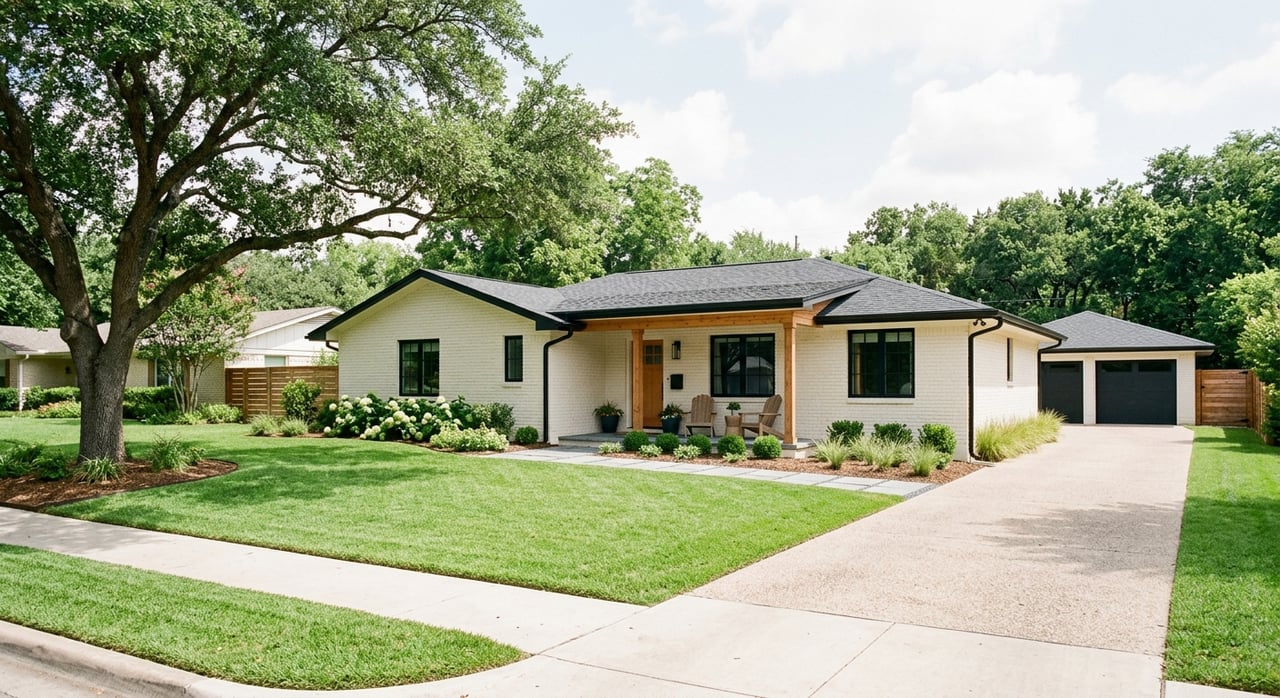
If you are trying to move up in Houston, Garden Oaks tends to stand out fast. It offers something that can feel hard to find close in: larger lots, mature trees, and a wide mix of homes with room to grow over time. If you want more space without giving up in-city access, this guide will help you understand what makes Garden Oaks different and what to watch for as you shop. Let’s dive in.
Garden Oaks is a prewar garden suburb in Houston’s Super Neighborhood 12, located between Pinemont, Shepherd, North Loop West, and US 290. City materials describe it as a neighborhood with curving streets and a housing mix that ranges from cottages to larger homes. That combination gives you a more established, less uniform feel than many newer communities.
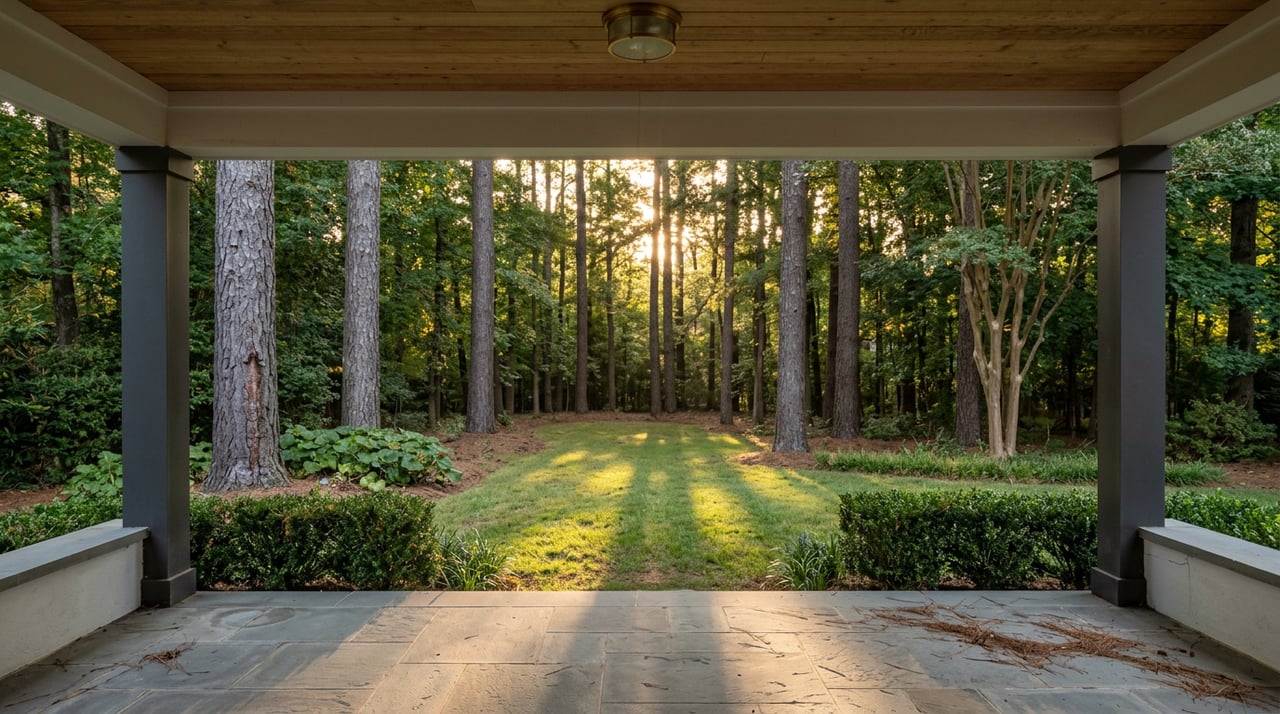
For move-up buyers, the biggest draw is often flexibility. Garden Oaks has long been described as a close-in neighborhood with a country feel, large lots, mature trees, and room to expand. Instead of treating your next home as a finished product, you may be buying into a setting that can evolve with your needs.
Garden Oaks began in 1937 after Edward L. Crain assembled roughly 750 acres, and the area was later divided into five sections. The neighborhood’s long-running civic-club culture, newsletters, and home tours point to a place where identity and preservation matter. That can shape both the look of the neighborhood and the expectations around changes to homes.
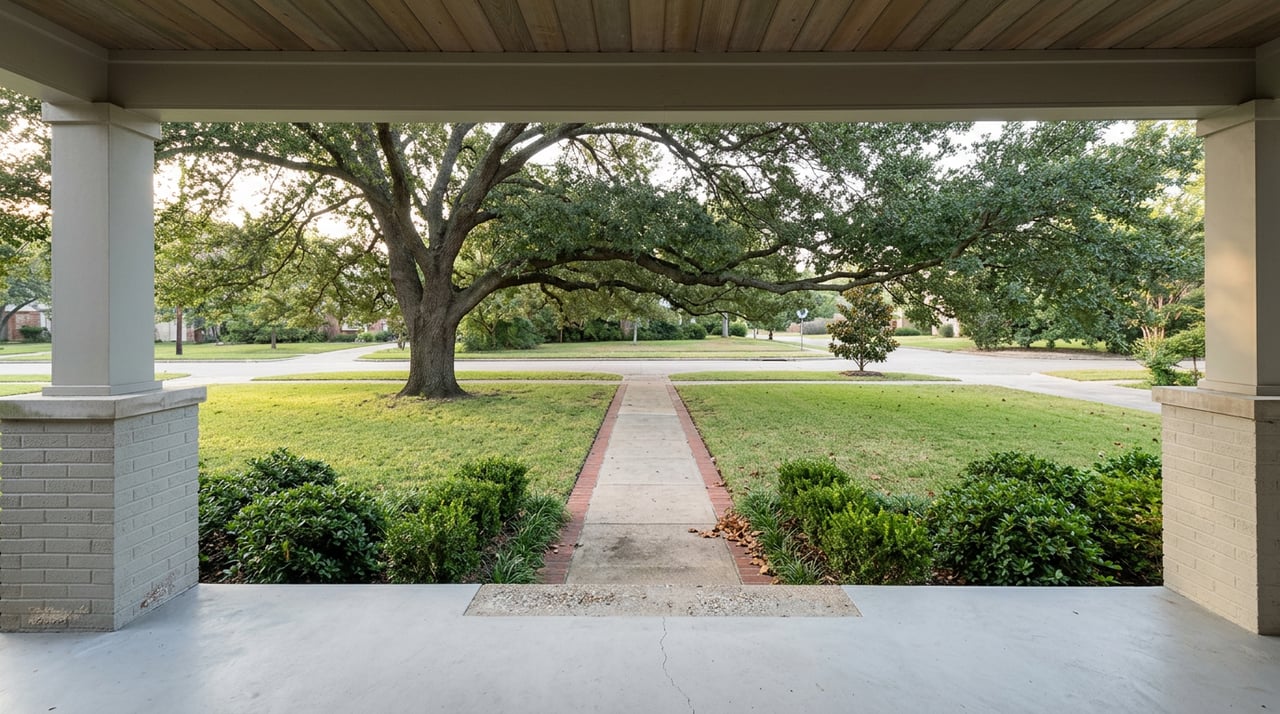
You will also notice a streetscape that feels different from many nearby areas. City materials note the lack of curbs, gutters, and sidewalks, which adds to the area’s country feel. For some buyers, that is part of the charm. For others, it is an important practical detail to factor into daily life.
One of the clearest reasons Garden Oaks attracts move-up buyers is lot size. City documentation says the average lot is about 11,800 square feet, compared with about 6,600 square feet in The Heights. A 1991 neighborhood newsletter also described lots ranging from 7,000 square feet to more than 22,000 square feet.
That changes how you evaluate homes here. In Garden Oaks, the land can matter almost as much as the house itself. A 2008 Chronicle supplement highlighted homes on 9,310-square-foot and 13,360-square-foot lots, reinforcing that many buyers are paying for yard space, tree canopy, and future options as much as current interiors.
Garden Oaks is not a one-style neighborhood. The housing stock includes 1930s and 1940s cottages, bungalows, ranch-style homes, older GI homes on the western edge, and some mid-century concrete-block houses. That variety is part of what gives the area personality.
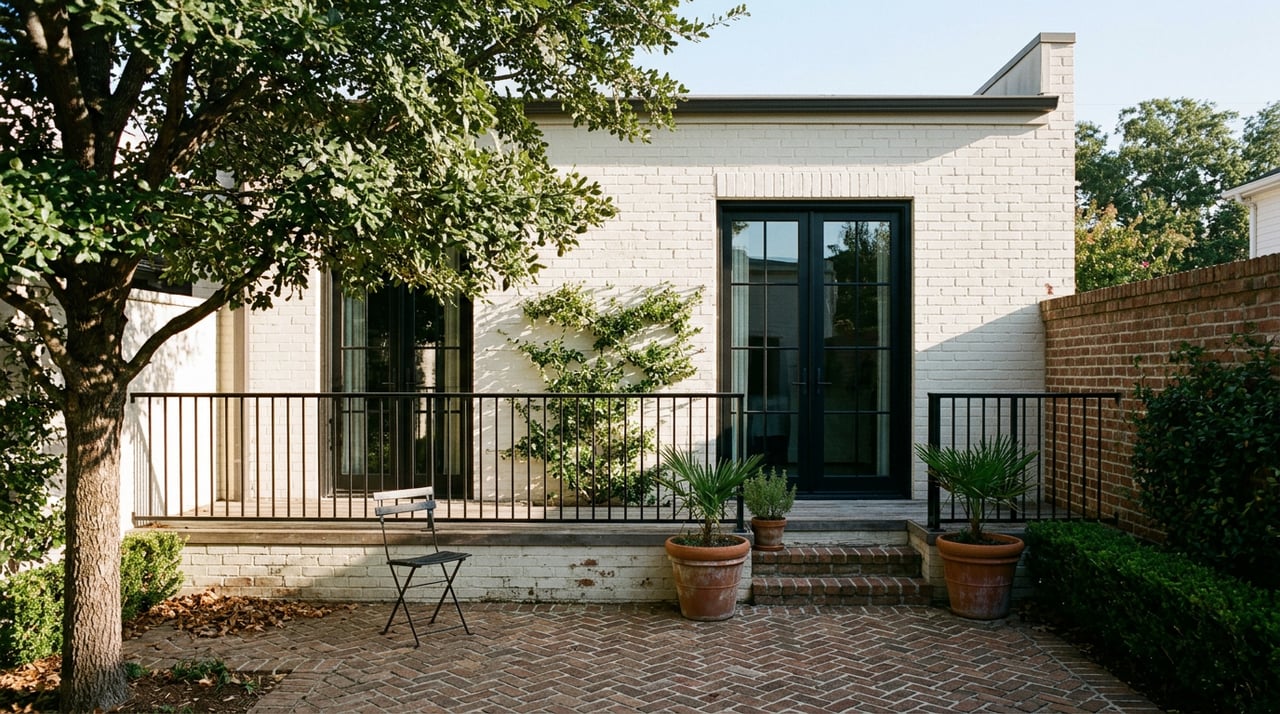
You will also see newer construction that often borrows from the original neighborhood vocabulary. Features mentioned in neighborhood materials include wraparound porches, Hardiplank, stone accents, wood-stained shutters, and copper awnings. The result is a neighborhood where original homes, remodeled homes, and new builds can sit within the same broader visual story.
City profile data cited a median year built of 1942 and a median home size of 1,630 square feet. That number is useful because it shows many original homes started smaller than what today’s move-up buyers may want. In other words, larger living often comes from additions, remodels, or newer custom builds rather than from untouched original floor plans.
That is why Garden Oaks often appeals to buyers who can look past the current layout and focus on potential. A smaller original home on a large lot may still fit your long-term plan if the site, location, and restrictions align with your goals.
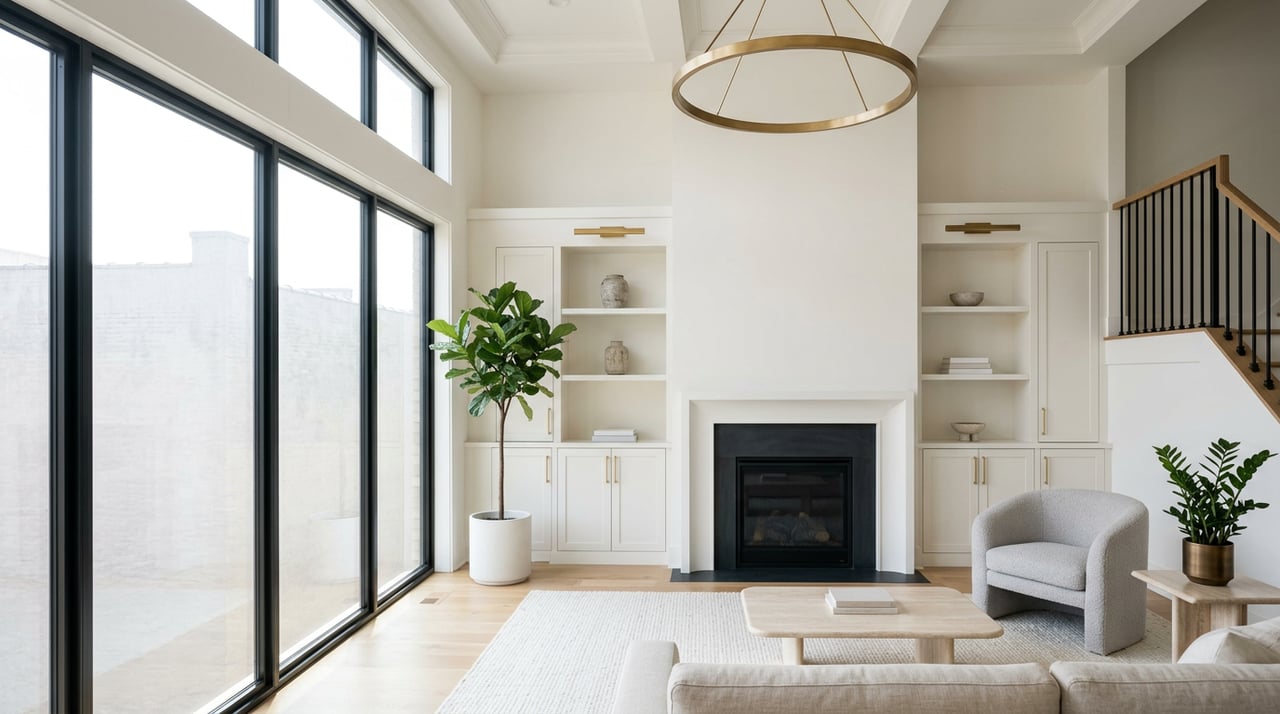
In Garden Oaks, renovation is not just common. It is part of the neighborhood story. Home-tour materials show homes that were expanded with larger kitchens, family rooms, primary-suite additions, higher ceilings, dormers, attic conversions, preserved original windows, backyard casitas, and full interior updates.
That pattern matters if you are moving up from a smaller home. In some neighborhoods, buyers mainly choose between older homes or teardown-driven new construction. In Garden Oaks, the market has a stronger renovation-and-land mindset, where buyers often value the ability to customize over time.
Each path can work well, but each asks you to define your timeline, budget, and tolerance for future projects.
Before you buy in Garden Oaks, it is important to understand that architectural controls and deed restrictions can affect what you do with a property. Section 3 requires written approval for exterior design changes, and the neighborhood plan-review process is intended to keep additions and new construction within building lines.
For many buyers, that structure supports neighborhood consistency and helps protect long-term character. It also means you should not assume every idea for an addition or exterior update will move forward unchanged. If customization is part of your move-up plan, reviewing restrictions early is essential.
Recent market data gives a helpful snapshot of where Garden Oaks sits in the broader Houston landscape. Redfin reported a median sale price of $737,000 for the three months ending March 2026, with a median of $345 per square foot and 76 days on market. The same snapshot showed a wide range, from a 2-bedroom, 1-bath home at $615,000 to a 6-bedroom, 7.5-bath custom home at $2.15 million.
That spread tells you something important. In Garden Oaks, pricing is heavily shaped by lot size, renovation level, and whether a home is original, remodeled, or newly built. Two homes on the same general map can represent very different value propositions.
Based on those snapshots, Garden Oaks sits as a clear inner-loop premium compared with Houston overall. It is slightly above Greater Heights in that comparison, below Oak Forest, and above Lazy Brook-Timbergrove.
Garden Oaks is not best understood as a dense urban district with amenities on every block. Instead, everyday convenience is more corridor-based. City park inventory lists Oak Forest Park, Shepherd Park, and the Sue Barnett-43rd Triangle in or adjacent to 77018.
METRO route 36 Kempwood lists destinations and stops including Graham Park, T.C. Jester Park, White Oak Bayou Greenway Trail, and ALDI on North Shepherd at Garden Oaks. That gives you a practical mix of green space, errands, and transit access without requiring a fully urban setup.
For many move-up buyers, location only works if the commute does too. Garden Oaks sits between North Loop West and US 290, with retail and office or industrial uses along Shepherd and North Loop 610. That placement supports practical access to many inner-loop job centers.
Transit is part of the picture as well. Route 36 runs every 20 minutes most of the day and connects with route 27 Shepherd. If you want a neighborhood that feels more residential but still works for road-and-transit-based commuting, Garden Oaks checks an important box.
Garden Oaks tends to make the most sense for move-up buyers who value space, character, and long-term flexibility. If you want a larger yard, mature trees, and the chance to tailor a property over time, it offers a compelling alternative to more uniform housing options.
It may be a especially good fit if you are deciding between a fully turnkey home and a home with upside. In Garden Oaks, many buyers are not just purchasing square footage. They are buying into lot size, setting, and the ability to create a more customized next chapter.
As you narrow your search, focus on the details that matter most in this neighborhood.
Those questions can help you compare homes more clearly and avoid treating Garden Oaks like a standard plug-and-play market.
If you are considering a move-up purchase in Garden Oaks, having neighborhood-level guidance matters. Kenneth Zarella and Revilo Real Estate can help you evaluate lot value, renovation potential, and how each property fits your long-term goals in Houston.

We pride ourselves in providing personalized solutions that bring our clients closer to their dream properties and enhance their long-term wealth.