Houston’s East End Lifestyle, Dining And Arts Guide
Looking for a Houston neighborhood with real personality, easy access to downtown, and plenty to do on a regular weeknight? The East End stands out because it blends historic character, local food, public art, and outdoor space into one connected in-city experience. If you are exploring 77023 or thinking about making a move nearby, this guide will help you understand what everyday life here can actually look like. Let’s dive in.
The East End is best understood as a connected inner-loop district near downtown, not just one isolated pocket. In day-to-day life, places in 77023 often connect naturally with nearby parts of Second Ward, Greater Eastwood, Magnolia Park, Harrisburg/Manchester, and EaDo.
That connected feel is part of the appeal. You get a neighborhood experience shaped by historic streets, local businesses, transit access, and public gathering spaces, all within a broader area that functions like one lifestyle ecosystem.
The East End also has a formal cultural identity. The City of Houston recognizes the East End Cultural District as one of Houston’s seven cultural districts, and district sources note that it includes more than 30 arts and culture institutions along with one of the city’s largest mural collections.
Food is one of the clearest ways to get to know the East End. The neighborhood offers a mix of long-standing Houston institutions, casual hangouts, and newer spots that reflect the area’s range and energy.
Ninfa’s on Navigation is the signature heritage dining stop in the East End. Located at 2704 Navigation Blvd., it is identified by the restaurant as the original historic location and is closely tied to Mama Ninfa’s tacos al carbon and the rise of fajitas in Houston.
For many locals, this is more than a restaurant. It is part of the neighborhood story and one of the places that gives the East End its strong sense of identity.
If you want a more everyday 77023 reference point, Bohemeo’s is worth knowing. Located at 708 Telephone Rd., Suite E, it combines coffee, food, craft beer, live music, and local art in one East End setting.
Its long daily hours and breakfast, lunch, and dinner service make it flexible for different routines. Whether you want a morning coffee stop, a casual meal, or an evening with live music, it fits neatly into the neighborhood lifestyle.
The East End dining scene is not limited to one style or one block. Area sources highlight places like Andes Café, Indianola, Miss Carousel, Vinny’s Pizza, and Rodeo Goat Houston, showing the variety you can find across the broader district.
That range matters if you are thinking about living nearby. It suggests that going out does not have to mean leaving the neighborhood, and that the East End supports both destination dining and casual repeat spots.
One of the most appealing parts of East End life is how often the neighborhood invites you out into shared spaces. Markets, murals, small venues, and open public areas all help create a steady rhythm of community activity.
The East End Farmers Market is a strong example of that local rhythm. Held year-round on Sundays at the Navigation Esplanade at 2800 Navigation Blvd., the market runs from 10 a.m. to 2 p.m. and features produce, prepared foods, artisan goods, and live performers.
This kind of weekly event can shape how a neighborhood feels. It gives you a regular place to shop, spend time outdoors, and connect with the broader East End community.
In the East End, art is not tucked away in just one building. It shows up across the neighborhood, especially in murals, public spaces, studios, and event programming that make creativity part of everyday life.
The East End Cultural District is the area’s defining arts framework. Local district sources emphasize its concentration of murals, arts and culture institutions, studios, showrooms, and fabrication spaces.
What makes that important for residents is the way art and food work together here. In the East End, creative spaces and social spaces often overlap, which gives the neighborhood a distinct sense of place.
Navigation Boulevard serves as a major public-art spine for the district. The Calle de Colores mural cluster along Navigation helps connect destination points and turns the street itself into part of the experience.
That means a simple outing can feel more engaging than a standard errand run. You are not just moving from place to place. You are moving through a neighborhood that puts visual identity front and center.
The Orange Show Center for Visionary Art is one of the East End’s signature institutions in 77023. While the Orange Show Monument is currently closed for restoration, Smither Park at 2441 Munger St. is open daily from dawn until dusk with free admission.
The center also continues to offer performances, classes, workshops, and special events. For people who value a neighborhood with creative energy, this is one of the most recognizable anchors in the area.
East End Street Fest adds even more energy to the neighborhood calendar. Visit Houston describes it as a free celebration of art, music, and heritage on the Navigation Esplanade with food and art vendors plus live entertainment.
Annual events like this help show how the East End comes together. They also reinforce that the neighborhood experience here is not only about where you live, but how you spend your time close to home.
The East End is not only about restaurants and art. It also gives you access to practical outdoor amenities that can support your daily routine.
Tony Marron Park is a key outdoor anchor in the East End. Located between Navigation and Clinton, the 19.07-acre park includes soccer and baseball fields, playgrounds, walking trails, benches, picnic tables, and drinking fountains.
For buyers and renters alike, this kind of park access can make a meaningful difference. It adds room to move, gather, and enjoy the neighborhood beyond your front door.
Lawndale Dog Park at 6810 Lawndale St. serves the East End community with fenced play areas, shade trees, benches, and bike racks. The city also notes its access to the Brays Bayou hike-and-bike trail.
If outdoor convenience matters to you, this is another sign that 77023 supports an active in-city lifestyle. It is not only about proximity to downtown, but also about having useful recreation options nearby.
Transit and mobility are part of what make the East End stand out among Houston neighborhoods. If you value options beyond driving everywhere, this area offers a stronger mix than many in-city locations.
METRO says the Green Line runs through the historic East End, and the rail network connects to downtown and major destinations including the University of Houston and Texas Southern University. District materials also highlight bus routes, bikeways, and trail connections such as the Columbia Tap and Harrisburg trails.
That multi-modal setup can shape your routine in practical ways. It may mean easier access to work, events, dining, and public spaces while still living in a neighborhood with its own strong local identity.
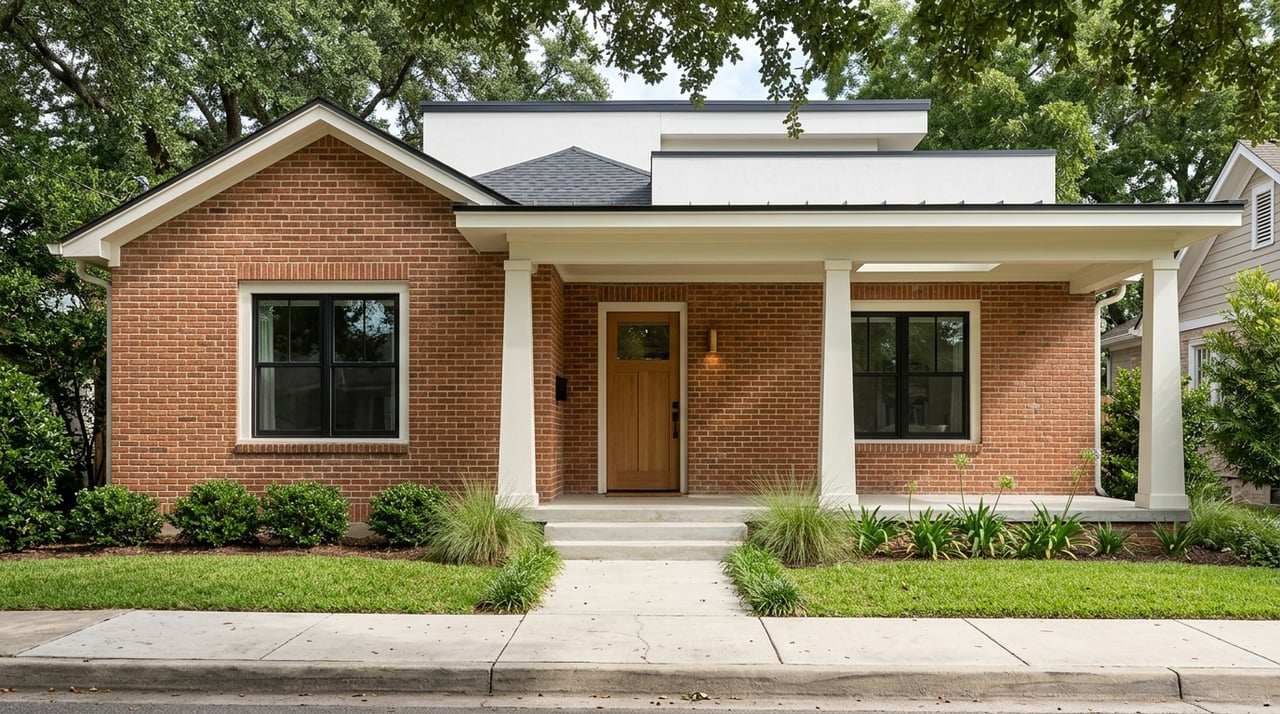
If you are considering a move, the East End housing story is one of its biggest strengths. The area offers a layered mix of older homes, historic architecture, and newer development rather than one uniform housing type.
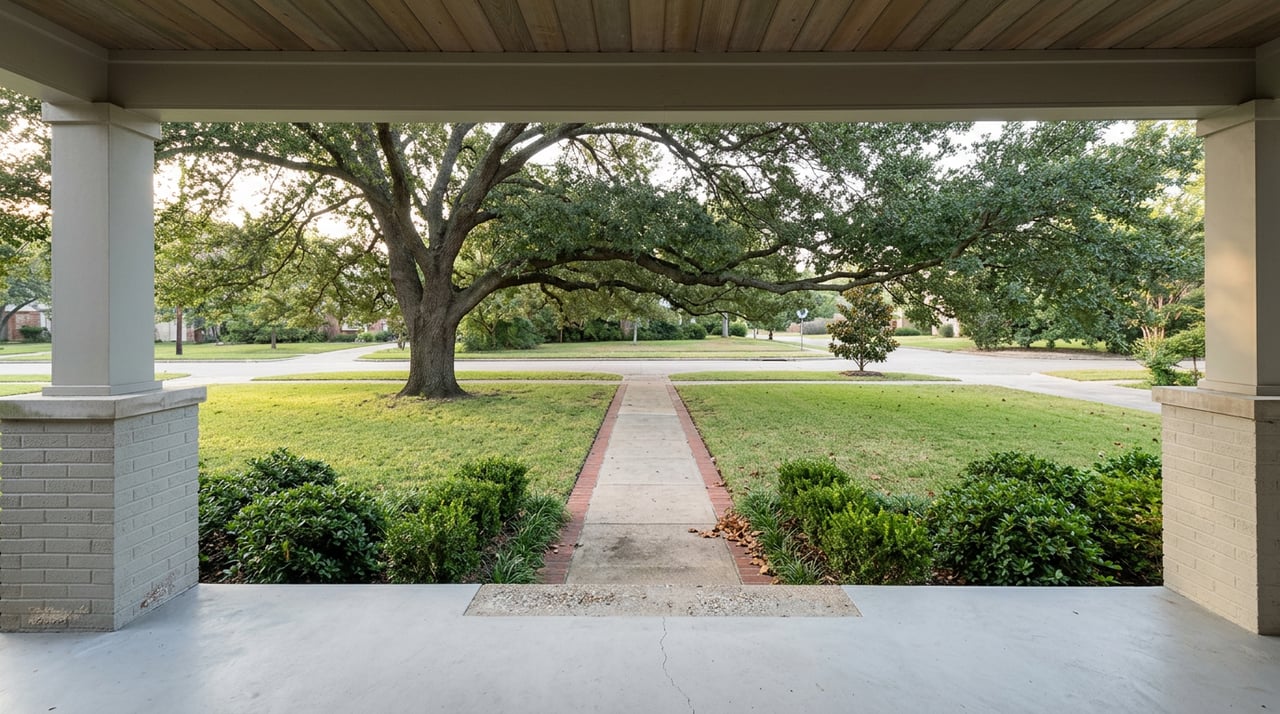
Greater Eastwood is one of Houston’s first master-planned subdivisions, developed in 1913. Early homes there were built in Craftsman, Arts & Crafts, Foursquare, and Mission styles, which adds real architectural texture to the area.
That history still shapes the feel of nearby streets today. For buyers who appreciate older homes and established neighborhood character, this can be a major draw.
Across the broader East End, housing can range from wood-frame bungalows to apartments, townhomes, and condominiums. That variety gives the area flexibility for different budgets, life stages, and housing preferences.
Recent development adds to that mix. The City of Houston says Lockwood on Buffalo Bayou opened in 2024 as the first affordable housing initiative in the Buffalo Bayou East 10-Year Plan, and it will connect to Tony Marron Park through an improved hike-and-bike trail.
The big picture is that the East End’s residential character is layered. Historic Eastwood-style homes, older bungalow stock, and newer mixed-income or infill development all coexist within the same broader neighborhood story.
The East End can appeal to you if you want an in-city neighborhood that feels lived-in, creative, and connected. Its lifestyle is built around recognizable local dining, public art, weekly markets, outdoor amenities, and access to transit.
It also offers housing variety that is harder to find in neighborhoods with a more uniform look or price point. Whether you are searching for historic character, a low-maintenance option, or a location with strong access to downtown, the East End gives you several paths to consider.
If you want help exploring 77023 and the broader East End, Kenneth Zarella can help you compare neighborhoods, housing styles, and next-step options with a local, in-city perspective.

We pride ourselves in providing personalized solutions that bring our clients closer to their dream properties and enhance their long-term wealth.