Montrose vs Midtown Condos in Houston: How to Decide
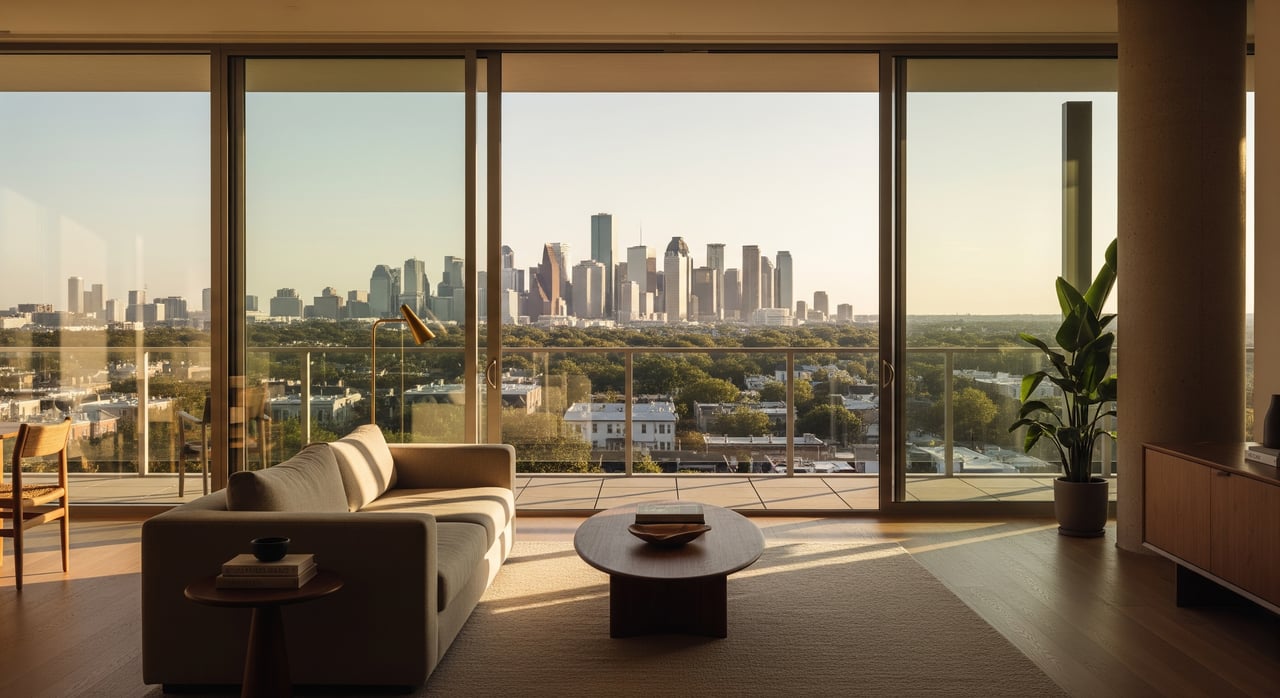
Thinking about a condo in Houston’s urban core but torn between Montrose and Midtown? You’re not alone. Both neighborhoods sit inside the 610 Loop and offer walkable streets, dining, and quick access to downtown, yet the day-to-day feel can be very different. In this guide, you’ll compare lifestyle, buildings, parking, HOA costs, and flood and rental rules so you can choose with confidence. You’ll also get a simple checklist and a decision matrix you can copy for side-by-side unit comparisons. Let’s dive in.
Montrose and Midtown are adjacent inner-loop districts with strong walkability compared with the suburbs. Montrose is known for eclectic, arts-driven energy, independent restaurants, and a mix of housing types from historic conversions to boutique midrises. Midtown tends to feel denser, with more purpose-built midrise and high-rise options and easy access to downtown and nightlife.
If you love arts and independent shops, Montrose may feel like home. If you want newer buildings, amenity-rich living, and a short hop to downtown employers, Midtown is worth a close look.
Montrose carries a long-standing, creative reputation. You’ll find galleries, cafes, bookshops, and independent restaurants spread across tree-lined streets. Daytime feels residential with pockets of retail, while certain corridors pick up at night.
Midtown has a higher concentration of multifamily buildings and late-night venues in a compact area. Many blocks offer a choose-your-own-adventure for dining and nightlife within a short walk. The proximity to downtown often means more continuous activity during the day and into the evening.
Expect variety: older low-rise conversions from the early 1900s to mid-century, garden-style condos, townhomes, and infill midrises. Layouts and finish levels can vary widely. The upside is charm and character; the tradeoff can be older building systems that may call for more maintenance.
Midtown features a larger share of newer midrise and high-rise residences built from the 2000s to 2020s. Many buildings include modern amenities like gyms, rooftops, secure parking, and controlled access. Newer systems can reduce near-term maintenance, though HOA fees are often higher to support amenities.
Assigned or deeded parking is common in Midtown’s purpose-built condos, often in structured garages. In Montrose, parking is more mixed. Some buildings offer deeded spots, while older conversions may rely on street parking or small lots. Always verify whether parking is deeded, assigned, tandem, covered, and how guest parking works.
Both neighborhoods have access to METRO bus routes, and Midtown’s location can put you closer to high-frequency corridors and downtown transit. Check block-level walkability and transit using Walk Score and plan routes with METRO Houston.
Nightlife corridors can impact noise levels in both areas, with Midtown often having more consistent late-night activity. Buildings near major arterials like Allen Parkway, I-69, or Westheimer may experience more traffic noise. Newer buildings often include better window systems and insulation, while older conversions may vary.
If quiet is a priority, test specific blocks at different times. Visit on a weekday evening and a weekend night, then note unit orientation, window quality, and distance to bars or major roads.
Montrose spreads independent restaurants, galleries, and niche museums across a wider footprint. You’re also within easy reach of big cultural anchors like the Museum District and Hermann Park. Midtown offers a compact set of dining and nightlife options and quick access to downtown venues, theaters, and stadiums from many blocks.
To personalize the search, map 5 to 15 minute walks from each candidate building to your favorite coffee, grocery, park, or arts spot. Use City of Houston Planning maps to orient yourself to neighborhood corridors.
Newer Midtown buildings with full amenities often command higher prices per square foot than older Montrose conversions, but micro-location, finish level, and unit size make a big difference. Montrose’s diverse housing stock creates a wider price spectrum, from value plays in older buildings to premium prices for renovated or historically desirable properties.
If you care about resale or investment, focus on walkability, parking, building management quality, and unit layout. For market context and recent trends, review HAR market reports.
Newer, amenity-rich buildings in Midtown often carry higher monthly HOA dues. Older Montrose buildings can have lower fees but may also have smaller reserve funds. Ask for HOA financials, reserve studies, meeting minutes, insurance coverage details, and any history of special assessments or litigation. Check elevator maintenance contracts, roof age, and pending capital projects.
Flood exposure in Houston is highly block-specific. Do not assume one neighborhood is safer than the other. Verify each property using the FEMA Flood Map Service Center and the Harris County Flood Control District’s Flood Education Mapping Tool. Request building elevation certificates when available and estimate both hazard and flood insurance costs for the unit.
If you plan to rent the condo, review the condo declaration, bylaws, and any rental caps or short-term rental restrictions. Some HOAs limit the percentage of rentable units or ban STRs. Always cross-check municipal rules and HOA documents before assuming rental income.
Use this checklist when touring and during option period:
For official records and verification, use HCAD for property details and U.S. Census ACS for neighborhood-level context.
Copy this table into a notes app or spreadsheet. Score each factor from 1 to 5, then multiply by your chosen weight.
| Factor | Weight (%) | Montrose Unit A score (1–5) | Weighted score | Midtown Unit B score (1–5) | Weighted score |
|---|---|---|---|---|---|
| Walkability to dining/culture | 15 | ||||
| Building age/condition | 10 | ||||
| Parking (deeded/covered) | 15 | ||||
| Noise/privacy | 12 | ||||
| HOA fees & financial health | 12 | ||||
| Flood risk/insurance cost | 10 | ||||
| Unit size/layout & light | 10 | ||||
| Amenities/security | 8 | ||||
| Resale/rental potential | 8 | ||||
| Totals | 100 |
Tip: add a short note under the table to capture nuance, such as “Great location but street-only parking” or “Higher HOA offset by premium amenities.”
Build a preview set in each neighborhood so you can feel differences quickly:
Use the MLS via HAR to filter by year built, HOA fee range, parking type, and amenities, then verify walkability with Walk Score and transit via METRO Houston. Confirm property records with HCAD, and check flood exposure on FEMA’s map center and the Harris County mapping tool.
Choose Montrose if you want a unique mix of architecture, independent businesses, and a more eclectic, block-by-block experience. Choose Midtown if you prefer newer, amenity-forward buildings, structured parking, and a short hop to downtown activity. In both areas, focus on micro-location, building health, and the practical details that shape daily life.
Ready to compare specific buildings and get a custom shortlist based on your priorities? Reach out to Kenneth Zarella for a tailored tour plan, HOA diligence support, and expert guidance from offer to close.

We pride ourselves in providing personalized solutions that bring our clients closer to their dream properties and enhance their long-term wealth.