Love the porch-forward charm of Houston Heights but not sure how to tell a Craftsman from a Victorian-influenced cottage? You are not alone. Buyers and sellers often ask what defines a true Heights bungalow and which features matter most for value. In this guide, you will learn how to spot popular styles, understand typical lot patterns and renovations, and use quick checklists to evaluate a home with confidence. Let’s dive in.
Why Heights bungalows stand out
Many Houston Heights bungalows and cottages date from the 1890s through the 1920s and 1930s. The neighborhood was platted early with walkable blocks and a simple grid, which is why front porches sit close to the street. Over time the area has seen preservation, infill, and renovations across many blocks. Because Houston does not have conventional citywide zoning, you will find more varied lot splits, additions, and non-conforming uses than in cities with strict single-family zoning.
If you plan exterior changes, check for deed restrictions or local historic districts. Some homes may be listed on historic registers or sit inside protected areas with design guidelines. City of Houston permit and review rules can apply to additions, window changes, and front façade work. Knowing the rules before you renovate can save time and avoid surprises.
The most popular styles
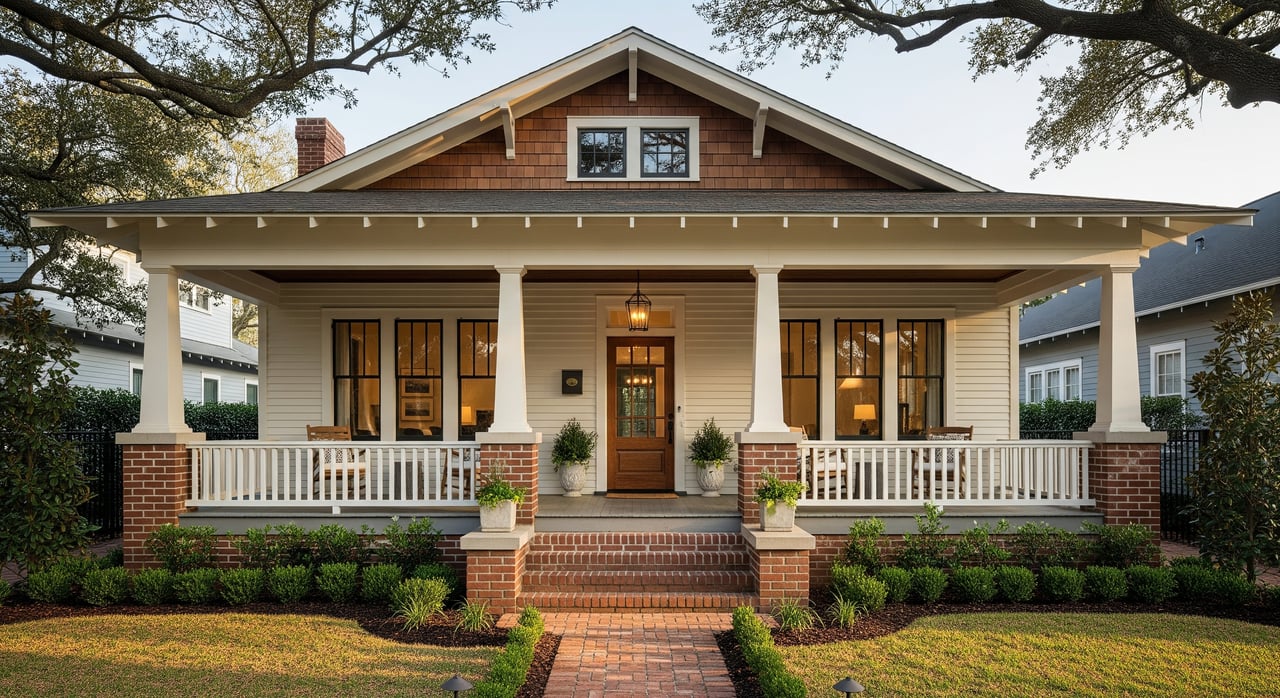
Craftsman bungalows: how to spot them
- Low-pitched front or side gables with wide eaves.
- Exposed rafter tails and decorative brackets.
- Full-width or partial porches with tapered square columns on brick or stone piers.
- Horizontal wood lap siding with shingle accents in gables.
- Double-hung windows with multi-pane uppers over single-pane lowers.
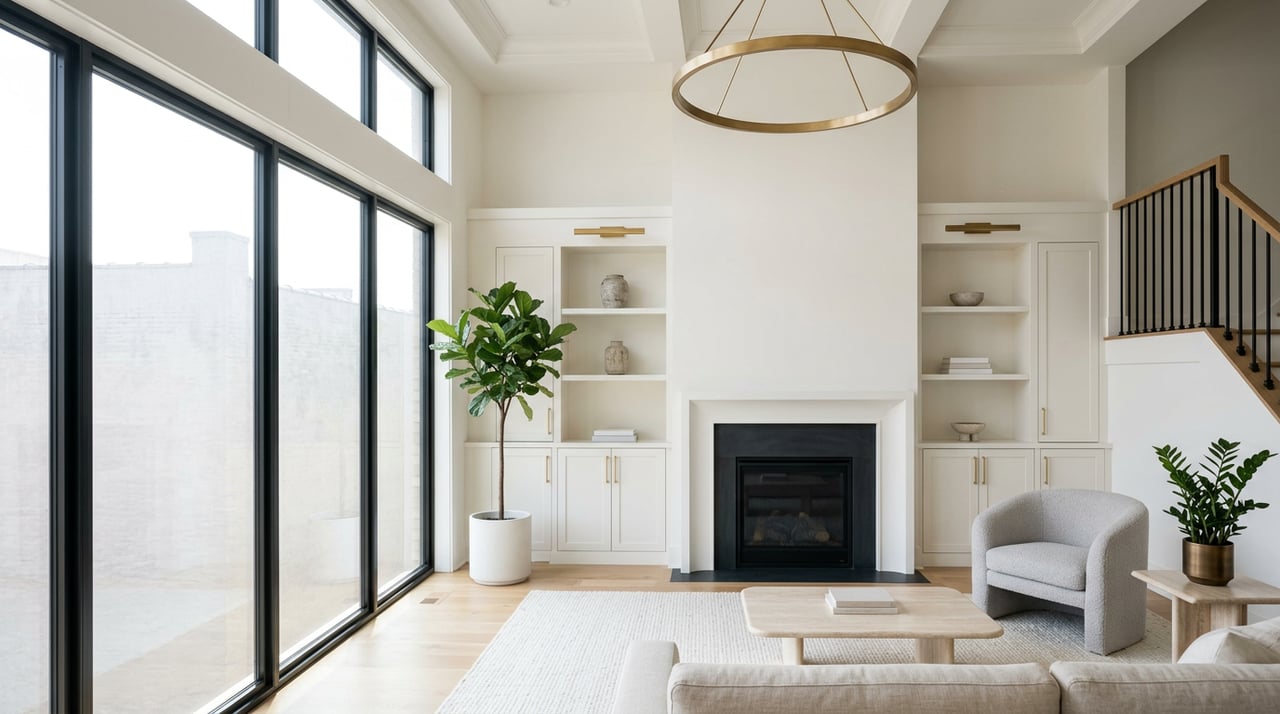
- Interiors with built-in bookcases or benches, a prominent fireplace surround, and original hardwood floors.
Victorian-influenced cottages: key cues
- Steeper roof pitches and sometimes asymmetrical facades.
- Gingerbread or spindlework trim, decorative gable details, and turned porch posts.
- Taller ceilings and more formal room separations than typical bungalows.
- Vertical window proportions, with possible transoms or decorative glass.
- Many are hybrids that blend Victorian details with simple cottage forms.
Updated and restored cottages: what to expect
- Street-facing character preserved, including the porch, siding pattern, and window openings.
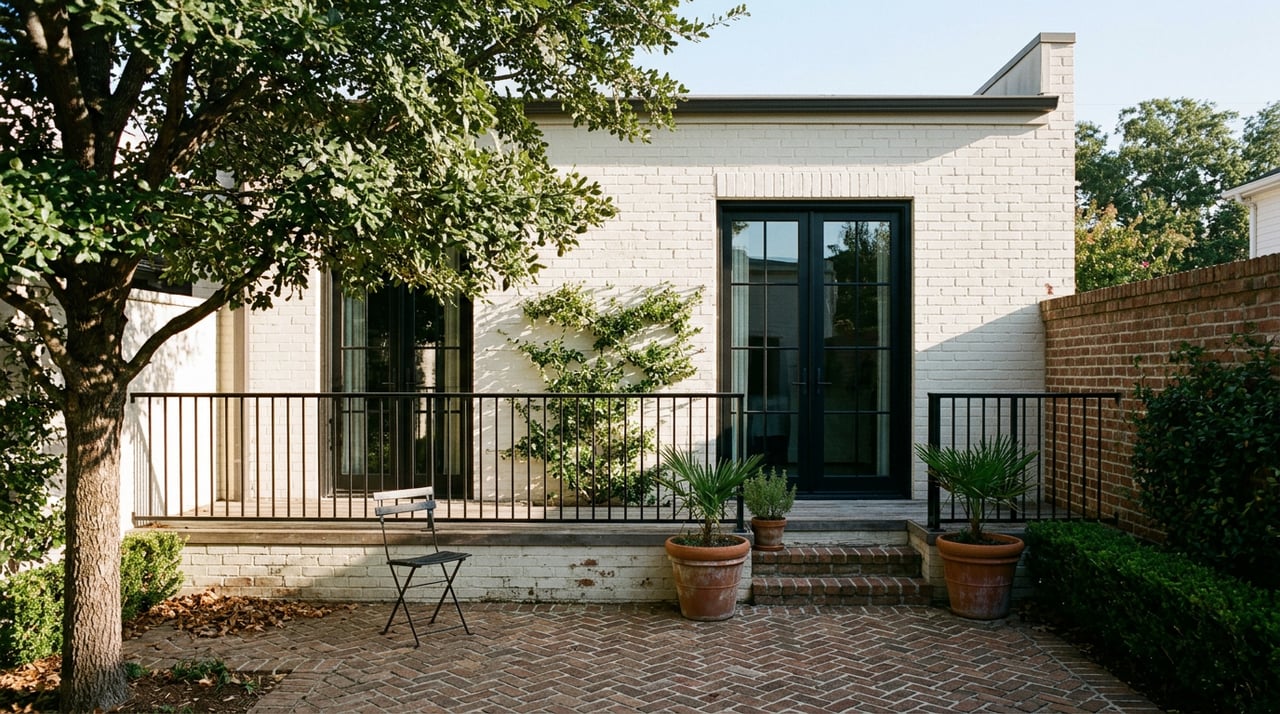
- Rear additions with larger windows and modern materials to expand kitchens and living areas.
- Clean, simplified exterior trim and paint; interiors reworked for open-plan living.
- Common upgrades include larger primary suites, additional baths, and new mechanical systems.
Lots, setbacks, and site patterns
Original Heights lots are modest compared with newer suburban parcels. Historic widths often range roughly 30 to 50 feet with depths around 100 to 140 feet, though some owners combine lots to create larger footprints. Always verify specific dimensions in Harris County property records.
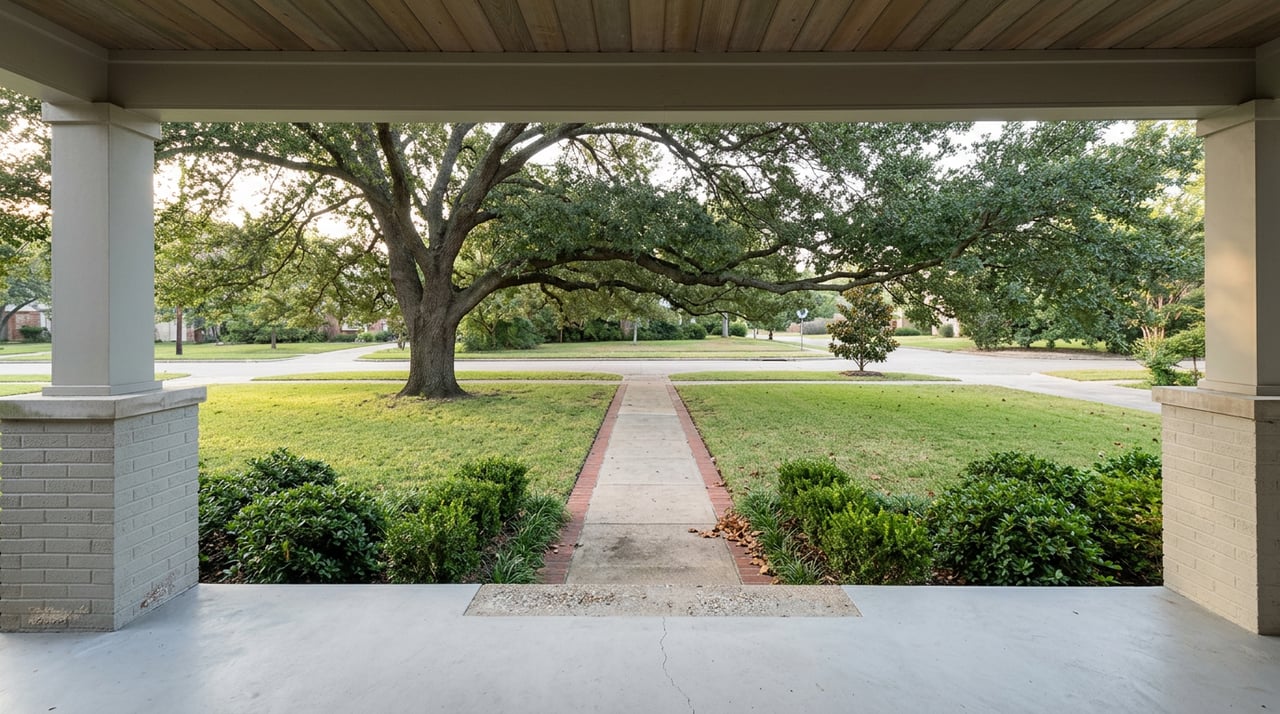
Expect shallow front setbacks and porches oriented to the street. Many blocks have rear alleys, so detached garages and outbuildings are common. Mature street trees, small front yards, and narrow side yards show up across older parcels.
Renovation trends you will see
Many projects follow a “restore the front, modernize the back” approach. Owners keep the porch and front façade and build rear additions for expanded kitchens, family rooms, or suites. This helps preserve the street presence that defines the Heights.
Popular scopes include kitchen and bath modernization, foundation work on pier-and-beam structures, and full systems upgrades for HVAC, electrical, and plumbing. Reroofing, siding restoration, and careful window repair or replacement are routine. Attic conversions, dormers, and second-story “pop-top” additions appear throughout the neighborhood, along with some garage or carriage-house conversions subject to local rules.
Style strategies: finding the right fit
- Resto-mod: Keep visible historic details while modernizing interiors for daily life.
- Full restoration: Use historically accurate materials and details, often with more review and higher costs.
- Complete gut and rebuild: Deliver a modern interior when conditions warrant, but may reduce historic fabric and change market positioning.
Buyer checklist: quick curbside cues
- Porch: Tapered posts on masonry piers point to Craftsman; ornate spindlework suggests Victorian influence.
- Roofline: Low-pitched gables with exposed rafters read Craftsman; steeper or asymmetrical gables lean Victorian.
- Siding: Original wood lap or shiplap is a historic cue; fiber cement or vinyl signals later replacements.
- Windows: Double-hung with divided upper sash suggests age and character; front vinyl replacements may indicate past unsympathetic work.
- Foundation: Visible piers and crawlspace access indicates pier-and-beam; a full-height concrete foundation may be newer construction or later alteration.
- Additions: Changes in siding, roofline, or foundation height between front and back often reveal rear additions.
Buyer checklist: interiors and systems
- Floors and trim: Look for original hardwood continuity and intact millwork or built-ins.
- Ceiling height: Many older cottages have generous heights around 8 to 10 feet; very low ceilings can signal later changes.
- Kitchen and baths: Note number, size, and age of upgrades. Many bungalows started with one small bath.
- Electrical: Check for updated panels and any signs of outdated wiring.
- Plumbing: Ask about galvanized piping and sewer-lateral condition. A camera inspection can help.
- HVAC: Review system age and ductwork; confirm if equipment is elevated above grade.
- Moisture: Watch for staining, musty odors, or crawlspace efflorescence.
- Flood history: Request elevation certificates and any documentation on past flood repairs.
Seller priorities that add value
- Front porch and entry: Repair, stabilize, and refresh paint. Update lighting for a strong first impression.
- Curb appeal: Tidy landscaping, clean walkways, and crisp trim paint create instant appeal.
- Kitchen refresh: Improve counters, lighting, hardware, and function even if you keep the footprint.
- Bathroom upgrades: Focus on reliable plumbing, clean finishes, and practical storage.
- Systems first: Ensure HVAC, electrical, and plumbing are safe and code-compliant.
- Period-appropriate details: Restore or replicate trim and fixtures where practical.
- Documentation: Keep permits, receipts, and before/after photos to boost buyer confidence.
Permits, preservation, and timelines
Rules vary by block and property. Before exterior work, check deed restrictions, any local historic overlay, and City of Houston permit requirements. Projects that affect the front façade or add a second story can trigger extra review.
Build in time for approvals. Depending on scope and location, reviews can add weeks or months. Address structural and drainage issues first, then invest in kitchens, baths, and visible curb appeal.
Flood and elevation basics
Parts of the Heights sit on relatively higher ground than other areas of Houston, but flood risk still varies by block. Review FEMA flood maps, local history, and an elevation certificate for the specific lot. Consider elevated utilities, proper drainage, and mitigation steps when renovating or adding to a home.
Market positioning and trade-offs
Heights bungalows with intact or well-restored character often command premiums. Modern full-gut renovations can also perform well when they respect the curb presence and scale of the block. Buyer preferences split between design-conscious shoppers who value original details and those who prioritize fully modernized interiors.
As a seller, balance the cost and time of a full restoration against a thoughtful modern renovation. As a buyer, decide how much original charm you want to preserve and what upgrades you need on day one. Matching the renovation strategy to your goals is key.
Practical next steps
- Verify lot dimensions and legal descriptions in Harris County property records.
- Confirm any historic status, neighborhood deed restrictions, and City of Houston permitting needs before you plan exterior changes.
- Order inspections that focus on foundation, roof, electrical, plumbing, HVAC, and moisture conditions.
- Review flood maps, elevation certificates, and any flood insurance history for the property.
If you want expert help evaluating styles, renovations, and market value in Houston Heights, connect with Kenneth Zarella. Whether you are buying, selling, relocating, or investing, you will get hyperlocal guidance and a clear plan to move forward.
FAQs
What defines a Houston Heights bungalow style?
- Generally a one to one-and-a-half story cottage from the 1890s–1930s with a prominent front porch and period details such as Craftsman or Victorian-influenced trim.
How big are lots in the Heights?
- Historic lots commonly range about 30–50 feet wide and 100–140 feet deep, but dimensions vary and some owners combine parcels; always verify records.
Are second-story “pop-top” additions common?
- Yes, you will see dormers and full second-story additions to gain space while keeping the original footprint, subject to structural needs and any local rules.
Which renovations add the most buyer-perceived value?
- Updated kitchens and bathrooms, reliable systems (HVAC, electrical, plumbing), and a well-presented front porch and curb appeal tend to resonate most.
How can I spot a rear addition from the street?
- Look for changes in siding, roofline pitch, or foundation height between the original front mass and the back of the house.
What should I check for flood risk in the Heights?
- Review FEMA maps, request an elevation certificate, ask about any past flood repairs, and confirm whether utilities and mechanicals are elevated.
Do exterior changes require approvals in the Heights?
- They can; check deed restrictions, any historic district requirements, and City of Houston permitting before altering porches, windows, or adding stories.