Galveston Beach House Buying Guide: What Buyers Should Know
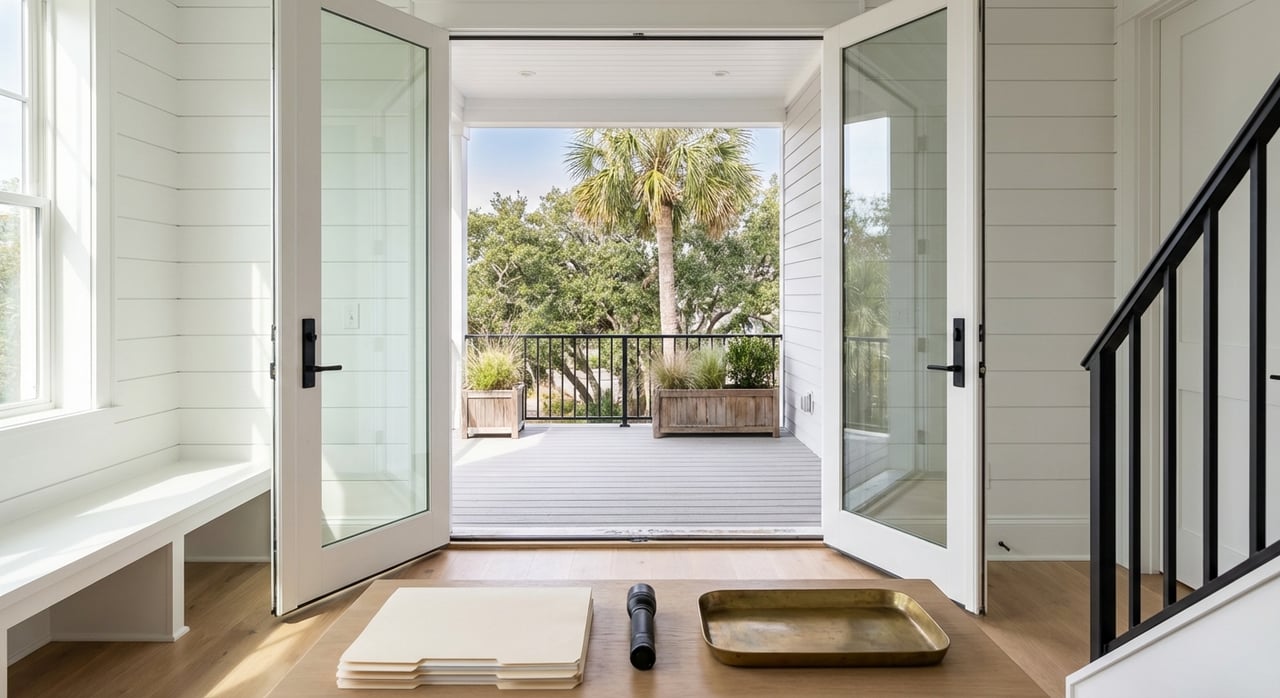
Ever picture your morning coffee with Gulf breezes and the sound of waves? If you are a Houston buyer or investor, a Galveston beach house can deliver that lifestyle and potential rental income. The key is knowing the island’s flood rules, insurance requirements, and short-term rental standards before you write an offer. In this guide, you will learn the must-check items and a clear due-diligence plan so you can buy with confidence. Let’s dive in.
Galveston is a top Texas beach destination and a busy cruise port, which supports steady visitor demand. According to the Park Board’s latest annual report, the city sees millions of visitors each year, and hotel occupancy taxes help fund beach maintenance and marketing that keep the island attractive to travelers. You can review recent visitor trends in the Park Board’s annual report.
For investors, cruise sailings and special events create spikes in short-stay demand. For second-home owners, the island offers easy access from Houston and a variety of neighborhoods, from historic districts to quiet West End communities.
Galveston’s neighborhoods and property types vary widely by block and shoreline.
Condos along Seawall Boulevard offer Gulf views, on-site amenities, and simpler maintenance. HOAs often include exterior insurance and set community standards. Review HOA documents early to understand fees, reserves, special assessments, and any rental rules.
On the West End and near Jamaica Beach, you will find elevated single-family homes on pilings with easy beach or bay access. Many are designed for second-home use and short-term rentals. Construction details, elevation relative to flood maps, and windstorm certification play a big role in insurability and long-term costs.
Closer to town, you will see older cottages and homes near the East End and the Strand. These can offer charm and proximity to dining and attractions. Older structures may require updates to meet today’s flood and wind standards, so plan for a thorough inspection and clear quotes before closing.
Lots and homes near primary dunes or beachfront lines can be subject to special permits and protections. If you plan to add decks, stairs, or walkovers, you will likely need extra approvals. Always confirm the local dune and beachfront construction rules before budgeting for alterations.
Start with the property’s FEMA flood zone. Galveston includes VE zones along the open coast, where wave action is expected, and AE zones in other coastal areas. VE zones carry the highest construction and insurance implications. You can look up a property’s FIRM panel, zone, and base flood elevation (BFE) at the FEMA Flood Map Service Center.
The City of Galveston requires new construction and substantial improvements to meet at least BFE plus 18 inches of freeboard. If you plan work that totals 50 percent or more of a structure’s market value, the city treats it as a substantial improvement and applies current standards. Review the City’s Flood Protection information for rules and permit guidance.
Work on or near the beach can require a Beachfront Construction Certificate and dune permits. This includes certain repairs, additions, and walkovers in protected areas. Before you buy, confirm permit needs with the City’s Development Services and the Beachfront team using the City’s applications and FAQs.
If the home is in a Special Flood Hazard Area, lenders typically require flood insurance. Policies are available through the National Flood Insurance Program (NFIP) and private carriers. Galveston participates in the NFIP Community Rating System, which can reduce premiums for policyholders. Premiums depend heavily on the building’s elevation relative to BFE, so an elevation certificate is essential. New NFIP policies usually have a 30-day waiting period. Learn more on the City’s Flood Protection page.
Windstorm and hail insurance on the Texas coast often runs through the Texas Windstorm Insurance Association, which is the insurer of last resort. To be eligible, properties generally must meet windstorm building standards and have a Certificate of Compliance, known as a WPI-8. Confirm whether a valid WPI-8 exists and whether the property can be insured before you waive contingencies. Review TWIA’s coverage and eligibility guidance.
Operating a short-term rental in Galveston requires an annual, non-transferable license for each unit. You must obtain a license before hosting and include your assigned GVR number in every advertisement. Registration costs $250 per unit per year, and renewals are due by December 31. Get details and the portal link at the City’s STR registration and renewals page.
Owners must provide a local contact who can respond to issues within one hour. You are responsible for guest behavior related to parking, trash, noise, and posted occupancy limits. The City’s November 2025 ordinance update strengthened standards, clarified enforcement, and established an STR Licensing Board. Read the City Council summary of updates to understand penalties and compliance.
STR operators collect and remit Hotel Occupancy Tax on stays. The state HOT rate is 6 percent. The local rate commonly adds 9 percent, resulting in a typical combined rate near 15 percent for most short stays. Filing rules vary by collector size, and marketplace platforms may collect some taxes, but you are still responsible for registration and any required returns. See the Texas Comptroller’s HOT FAQs for statewide guidance and confirm the current local process with the City.
Buying on the island rewards careful prep and the right team. You want an agent who understands FEMA flood zones, City elevation rules, TWIA eligibility, and the STR licensing process. At Revilo Real Estate, you get clear guidance, a disciplined transaction plan, and support that keeps your goals front and center from first tour to closing. If you are ready to explore Galveston beach houses or build a coastal rental strategy, reach out to Kenneth Zarella to get started.


We pride ourselves in providing personalized solutions that bring our clients closer to their dream properties and enhance their long-term wealth.